The Earth’s crust is made of rocks and water, and a layer of hot molten rock (magma) below that. Magma Ultra Geothermal is very hot – hotter even than the surface of the sun.
The heat produced by magma is a massive source of energy, and it can be converted into electricity. To do this, we drill down into the earth and as a general rule, the lower you go, the hotter it gets.
Subterranean heat is used to heat water, which turns into steam. That steam is then used to spin a turbine located above the ground, which produces electricity for the grid.
Geothermal is an example of a renewable energy source of energy that is almost completely pollution-free and consistently reliable.
Advantages of geothermal energy
- Environmentally friendly
Geothermal energy is generally considered environmentally friendly.
The carbon footprint of a geothermal power plant is minimal. An average geothermal power plant releases 99% less carbon dioxide (CO2) for every megawatt-hour (MWh) of electricity it generates, according to the EIA.
While there are a few polluting aspects of harnessing geothermal energy, these are minor when compared to the pollution associated with conventional fossil fuel sources such as coal and natural gas.
Further development of our geothermal resources is considered helpful in the fight against global warming.
- Renewable and sustainable
Geothermal reservoirs come from natural resources and are naturally replenished. Geothermal energy is therefore a renewable energy source.
“Sustainable” is another label used for renewable sources of energy. In other words, geothermal energy is a resource that can sustain its own consumption rate – unlike conventional energy sources such as coal and fossil fuels.
According to scientists, the energy in our geothermal reservoirs will literally last billions of years.
- Massive potential
Worldwide energy consumption is currently about 17 terawatts (TW) of power from all sources, both fossil and renewable. While that may sound like a lot, it’s just a small fraction of the heat energy stored inside the Earth!
That said, most geothermal energy is difficult or unprofitable to access. Realistic estimates for the potential of geothermal power plants vary between 0.035 to 2 TW.
Geothermal power plants across the world currently deliver just 12.7 gigawatts (GW) of electricity, with installed geothermal heating capacity a bit higher at 28 GW. This means there is a lot of scope for additional geothermal energy generation.
- Stable
Geothermal energy is a reliable source of energy.
We can predict the power output of a geothermal power plant with remarkable accuracy. This is not the case with solar and wind, where weather plays a huge part in power production. Geothermal power plants are therefore excellent for meeting the baseload energy demand.
Geothermal power plants have a high capacity factor, meaning that they deliver a very high level of output relative to the total installed capacity.
Globally, geothermal plants operate at a capacity factor of over 80%, but capacity factors as high as 96% have been achieved right here in the U.S.
- Great for heating and cooling
Generating electricity with geothermal energy requires high water temperatures — of more than 150°C (about 300°F) or greater — in order to effectively turn the power-generating turbines.
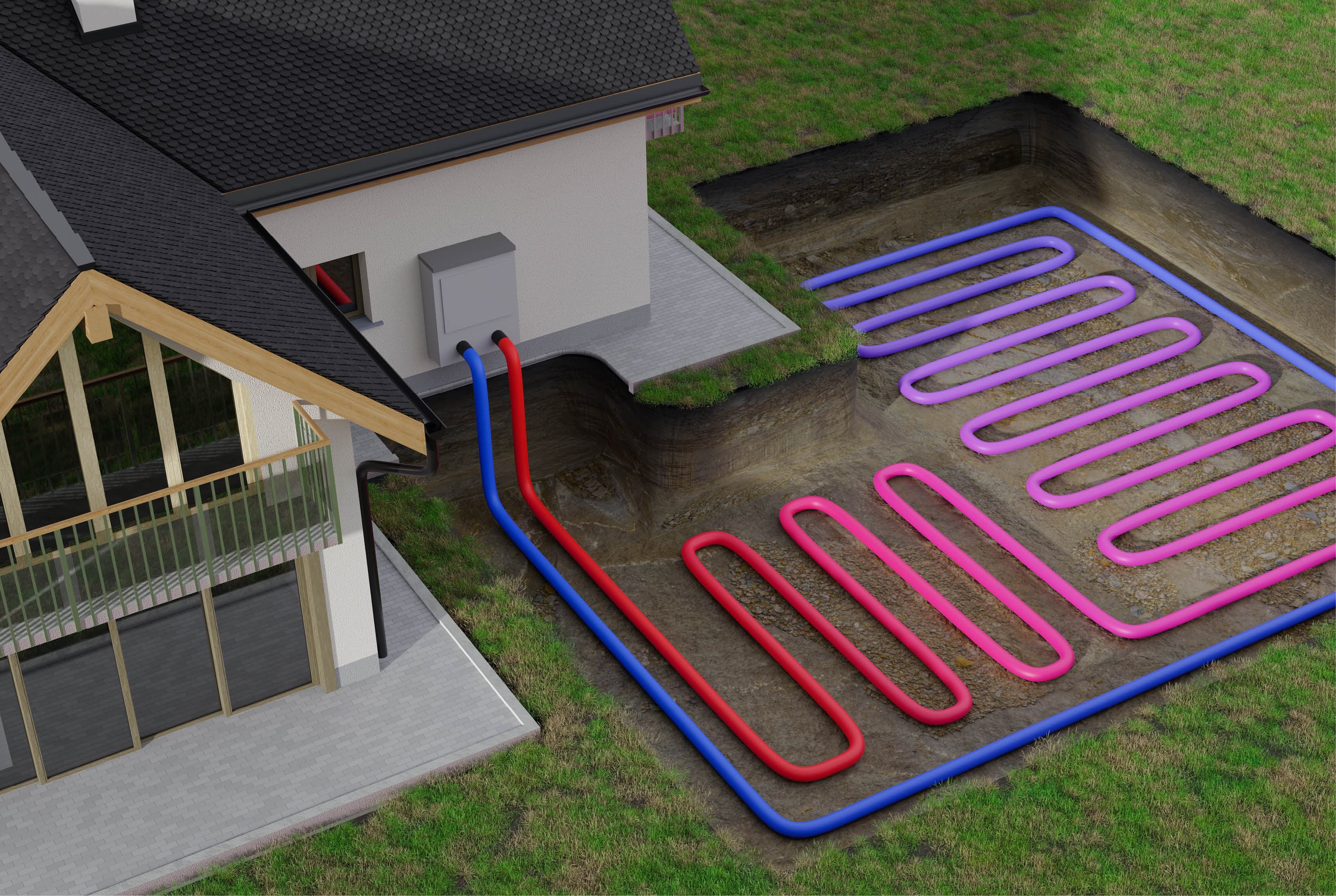
The other, easier way to utilize geothermal energy is to use it for heating and cooling. This approach makes use of the (relatively small) temperature difference between the surface and a ground source.
Earth is generally more resistant to seasonal temperature changes than air. Consequently, the ground only a few feet below the surface can act as a heat sink/source with a geothermal heat pump — much in the same way an electrical heat pump uses the heat present in the air.
We’ve seen tremendous growth in the number of homeowners that utilize geothermal heating/cooling in the last couple of years.
Disadvantages of geothermal energy
- Environmental issues
There is an abundance of greenhouse gases below the surface of the earth. When geothermal energy is used, some of these gases escape towards the surface and into the atmosphere. These emissions tend to be higher near geothermal power plants.
Geothermal power plants generate small amounts of sulfur dioxide and silica emissions. The reservoirs can also contain traces of toxic heavy metals including mercury, arsenic, and boron.
That said, the pollution associated with geothermal power is very low, and just a tiny fraction of what we see with coal power and fossil fuels. Furthermore, there have been no reported cases of water contamination from geothermal sites in the US, according to the Union of Concerned Scientists.
- Surface instability (earthquakes)
The construction of geothermal power plants can affect the stability of the land. In fact, geothermal power plants have led to subsidence (sinking of the Earth’s surface) in both Germany and New Zealand.
Earthquakes can be triggered due to hydraulic fracturing, which is an intrinsic part of developing enhanced geothermal system (EGS) power plants.
In 2006, the construction of a geothermal power plant in Switzerland triggered an earthquake with a magnitude of 3.4 on the Richter scale.
- Expensive
Commercial geothermal power projects are expensive. Total installation costs usually end up somewhere between $2.5–$5 million for a geothermal power plant with a capacity of 1 megawatt (MW).
The exploration and drilling of new reservoirs play a big role in driving up costs, typically accounting for half of the overall costs.
As previously mentioned, most geothermal resources cannot be utilized in a cost-effective manner, at least not with current technology, level of subsidies, and energy prices.
The upfront costs of geothermal heating and cooling systems for homes and commercial buildings are also steep. That said, these systems are likely to save you money years down the line, and should therefore be regarded as long-term investments. Ground source heat pumps typically cost $15,000–$40,000 installed, and generally have a payback time of 10–20 years.
 Site Title
Leave a comment